
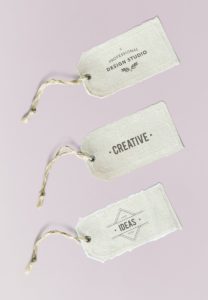
A label can be a plastic seal, cloth, or metal used to a container or products in which printed information or symbols is provided about the product. The labels serve many uses as they can be used for promotion, providing information on the product or the manufacture. When you have customized foil labels you can reach new insights on your products thus developing new strategies for your products, for example small bee traps.
Features of label design
- Using clear pictures– the first thing customers will look at is the image of the product. As a company, you should have products that have labels presented in pictures than using a large amount of text.
- Include benefits– be able to communicate the benefits information using quality images and graphics and text should be short to the point.
- Font– choose a font that makes your product stand out from the competitors such as when your product is for automotive, choose a bold font, to show toughness and longevity. Another aspect to check its readability. You only get to attract buyers’ attention within a fraction of seconds, so the customer should be able to read easily at first glance.
- Contact information– it is not only to focus on attention-grabbing but also including contact information on your product label. You can put your website, phone number, or social media information. Always make sure it is readable as this will promote your company and build brand trust with your buyers.
- Barcode– these elements display product information to electronic scanners. The international element used is the Universal Product Code bar codes are used to help companies to secure your products and track your inventory.
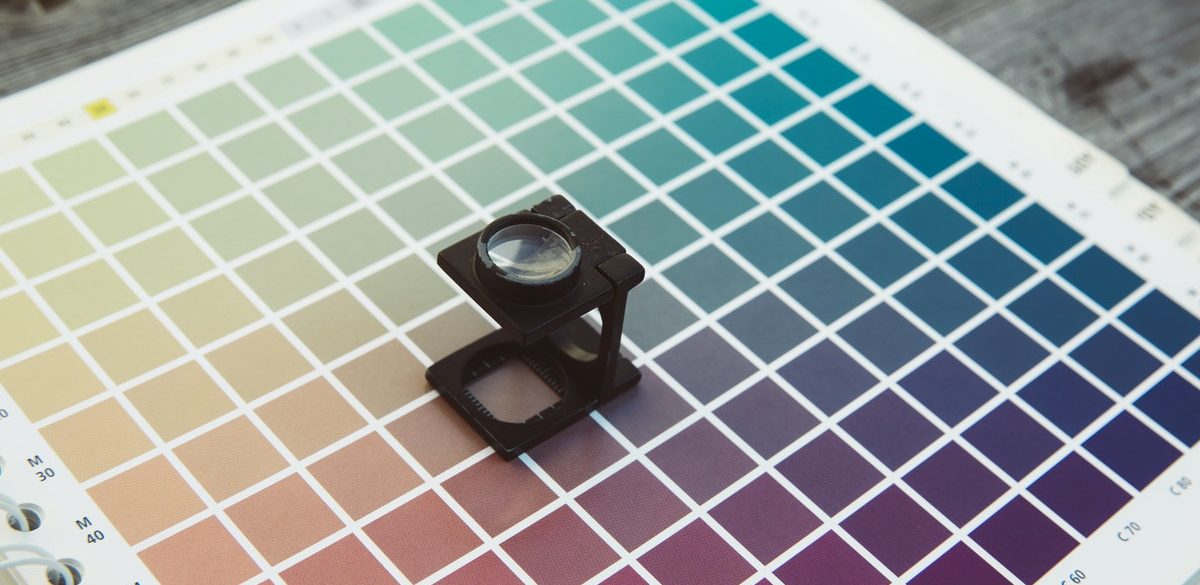
- Colors– do not make a color clash between your product and the label as this might be another factor for customers to avoid the product. The color on your product label can influence your buyers’ decision. Always do competitive analysis and research so that you can choose the best color on the product label to stand out from other similar products.
Here are the 5 methods commonly used for customized labels
- Flexographic printing– it is a modern high-speed printing process used for label applications. It uses a flexible printing plate to transfer ink to various substrates. It is fast and coefficient, including large swathes of color for a variety of mass-produced goods.
- Digital printing– it uses software and printing equipment to generate high-resolution images and texts.it has lower material and is less expensive as it doesn’t require physical inking and conventional plates. The digital design software allows you to make alterations to a label design.
- Embellishment– the unique feature is that you can laminate the label which increases its durability and longevity. It adds texture and finishes.
- Extended content label production– it is suitable for products that should have a specific amount of pieces of information that need to be displayed to buyers.
- Thermal, laser, and dot-matrix printing– it serves solutions to provide a variety of ink to specific areas on the labels.